How to Turn a Sales Deck into a Promo Video: Six Pages Reworked into 89 Seconds
An 89-second case study based on Alliance's six-page sales deck and official website, showing how written problems, features and the consultation entry point became moving scenes and how the client review changed the opening and tone.

Turn the relationships in a sales deck into motion
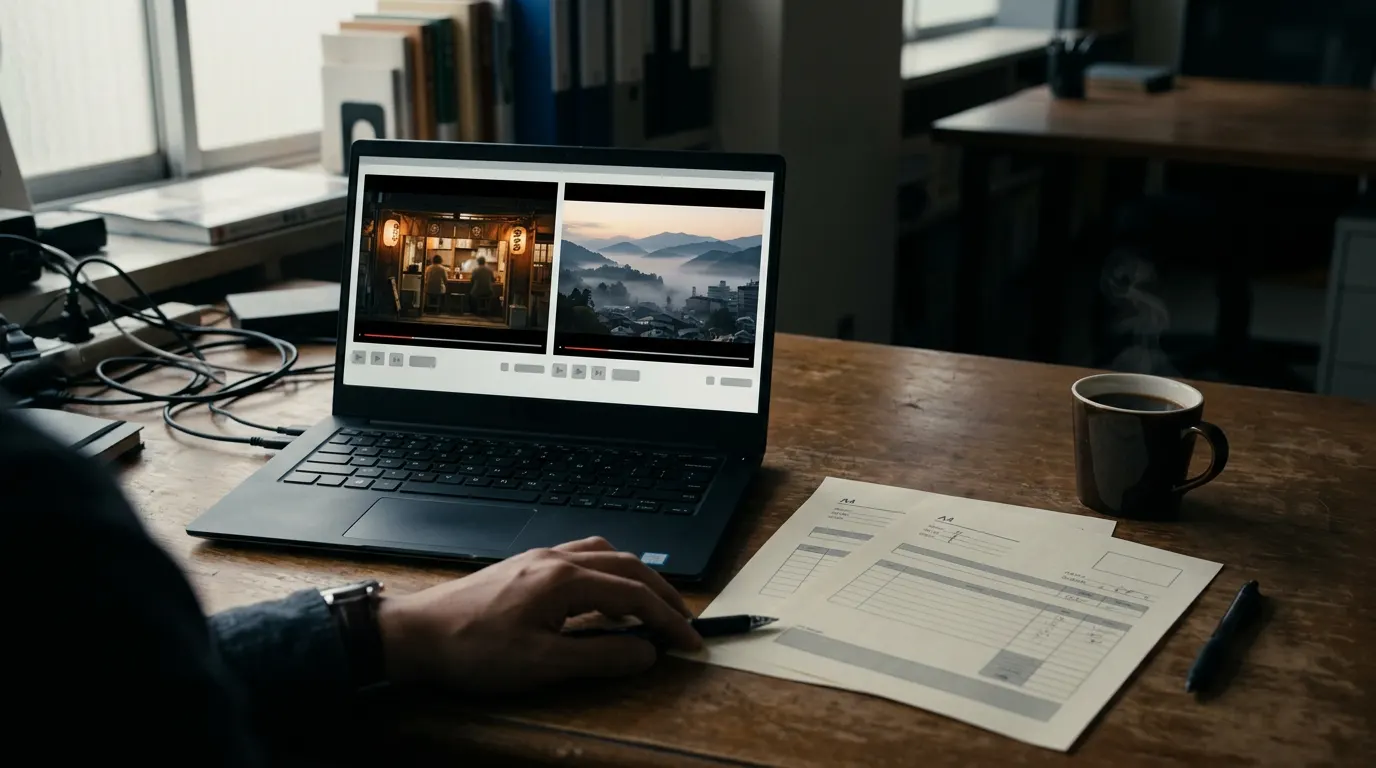
A sales deck already organizes problems, features, the change after adoption and the way to ask for a consultation. A video should not read every page aloud. It should show who is stuck, what gets gathered and how the work changes. This article uses an 89-second explainer made from Alliance Co., Ltd.'s six-page sales deck and official website. The client approved publication, and v5 is the adopted version.
We did not film. Screens and motion were built with code rather than generated by AI. The screens were created from the deck text and the website rather than copied as a live product screen. Company, customer and deal names shown in the video are fictional. The video focuses on the relationship between the problem, workflow and consultation entry point.
Replace six pages with six connected scenes
 Sales deck
 Video
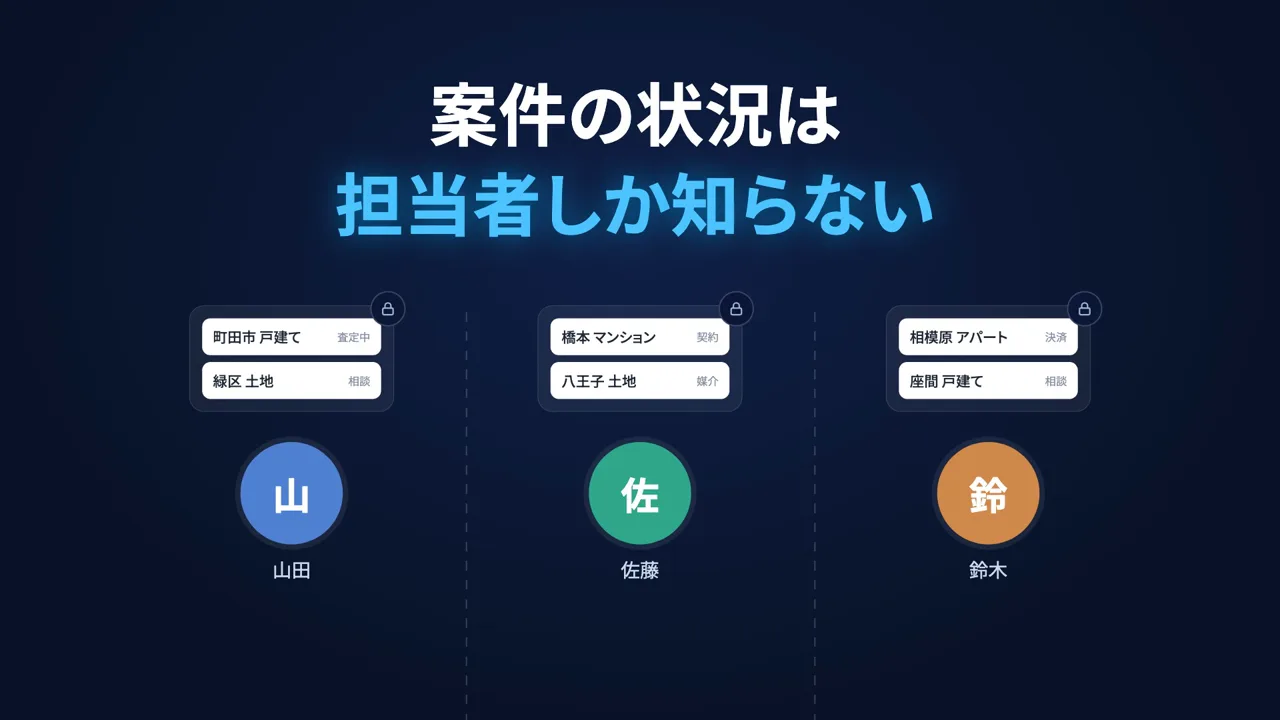
Video- 01Turn the problem of information closed with each person into cards floating separately under three staff members.
- 02Turn the explanation that meetings need no separate materials into a scene where paper disappears and everyone looks at one deal board.
- 03Turn multi-device access into a phone where negotiation history is added line by line.
- 04Turn the website's written AI explanation into a scene where Claude Code reads documents, creates an appraisal report and puts it into Notion.
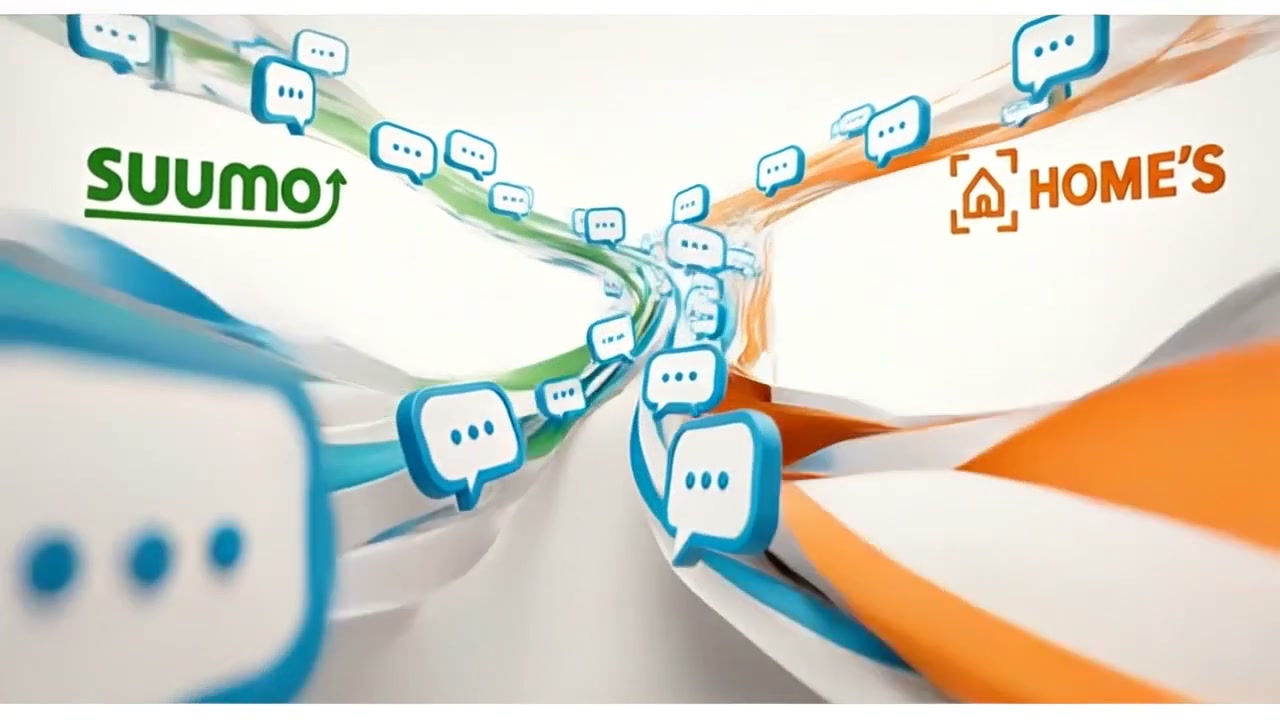
- 05Move the site's promise, 'More deals without more staff,' to the climax after the problems are solved.
- 06Use the deck's Zoom explanation as the closing invitation to see the real screens in a free 30-minute demo.
The wording stays close to the deck while relationships that were hard to see in prose become deal cards, a meeting screen, a phone and a work log. Scenes based on the official website are separate from explanation screens built by the production team, so the change from source material to video remains visible. The product screen in this case was built by the production team rather than supplied as a live screen. The central task is not simply cutting pages, but ordering the relationships between the facts so they can be seen. Keep the detailed source page associated with each summary so viewers can return to the original material.
Use the client's review to correct the context and tone
After the client reviewed the 89-second version, the opening LINE screen was replaced with an email inbox. The other change was the music: a track that felt too anxious became a warm piano piece that opens up later. Three music options were compared before the change was applied to v5. The public record describes the production and review process; it does not report a change in inquiries.
Before requesting production, agree on the source version, wording that must remain, the public page used for any added context, the placement, length and reviewer. This case confirms that six pages were organized into an 89-second structure and reviewed into a published version. It does not confirm that turning the sales deck into a video increased inquiries.
Talk to us about your video
You don’t need a finished plan to get in touch.
ContactSee pricing and the production process